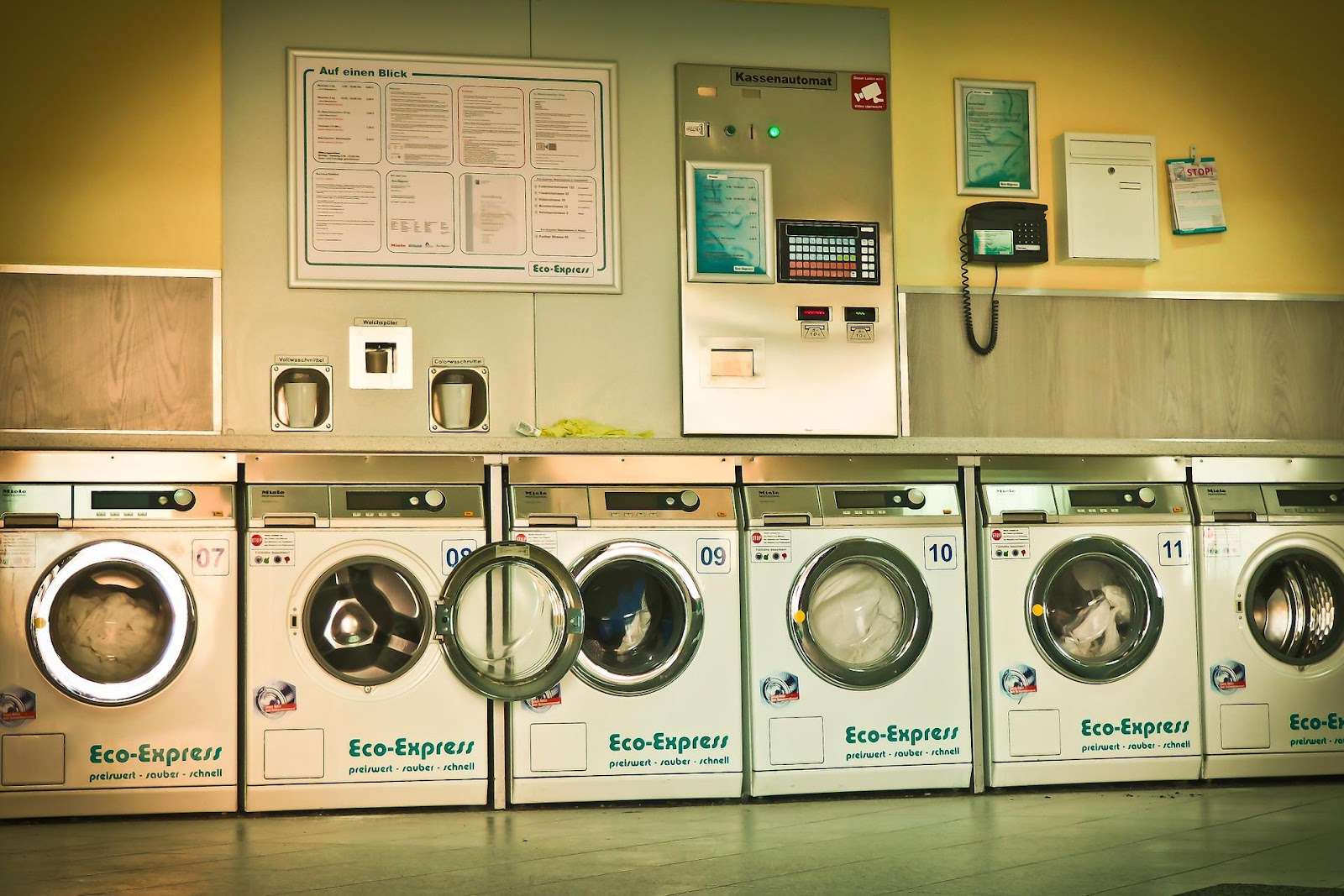
Running a laundry business comes with more spin cycles than just your machines. From accidental damage to customer property and employee injuries to fire hazards, laundromats and dry cleaning operations are full of risk. One burst pipe or misplaced garment can lead to thousands in claims or even lawsuits. Whether you own a self-serve laundromat, operate a full-service dry cleaning business, or run a laundry pickup and delivery service, insurance is the safety net that protects your investment. In this complete 2025 guide, we’ll explore the essential insurance coverages you need, how much they cost, which providers stand out, and what real-world operators are saying in industry forums.
Key Takeaways
- General liability, property insurance, and workers’ compensation form the core of any laundry business insurance plan.
- Most laundry businesses pay between $50 and $150 per month for coverage.
- Common risks include fire, theft, customer property damage, employee injuries, and business interruptions.
- Mobile laundry and delivery services may need inland marine and auto liability.
- Reddit users and operators emphasize the need for policies that cover customer belongings and building systems like dryers and plumbing.
Insurance for Laundromats and Dry Cleaners
Laundromat owners have several policies to choose from, but often times it is a combination of these policies that create
General Liability Insurance
General liability insurance for laundromats is the most essential policy for laundromats and dry cleaners. It protects you from third-party claims if a customer slips on a wet floor, trips over a laundry cart, or suffers property damage while on your premises.
Typical claims this covers:
- Bodily injury (e.g., a customer sprains an ankle on a slippery floor)
- Property damage (e.g., a customer’s phone is ruined by detergent splash)
- Legal fees, settlements, and medical costs related to the incident
Most policies come with $1 million per occurrence and $2 million aggregate limits. This policy is often required if you rent your location or want to work with commercial clients.
Professional Liability (Errors and Omissions)
While less common, professional liability (also known as errors and omissions) can be critical for dry cleaners and laundry service providers. This policy covers claims that your services caused financial harm or loss, such as:
- A garment is ruined due to a chemical error.
- You fail to deliver clothing for an event, resulting in a lost business deal.
- An employee improperly labels or delivers the wrong clothes.
If your business promises service quality and speed, and charges accordingly, you’re vulnerable to lawsuits claiming negligence. Typical coverage is $1M/$2M, though some businesses may need higher limits if they handle luxury clothing or designer garments.
Customer Property Insurance (Bailee’s Coverage)
Dry cleaners and laundromats regularly hold, clean, and return customer property, a unique liability not covered by general or professional liability. That’s where bailee’s insurance comes in. It protects against:
- Fire or flood damage to stored clothing
- Lost or stolen garments
- Damage caused by equipment malfunction or chemical errors
This coverage is critical for businesses that process valuable items like wedding dresses, business suits, or uniforms. Policy limits should reflect the maximum value of customer goods in your care at one time.
Commercial Property Insurance
Commercial property insurance protects your building (if owned) and contents: washers, dryers, detergent dispensers, POS systems, and more. This policy kicks in for:
- Fires (a top risk due to lint buildup in dryers)
- Theft or vandalism
- Wind and storm damage
- Burst pipes or equipment failures
Make sure your policy covers replacement cost, not just actual cash value, especially for commercial-grade washers and dryers, which can cost $5,000–$10,000 each to replace.
Equipment Breakdown Insurance
This policy covers sudden mechanical or electrical failure of essential business systems. It’s often bundled with property coverage but worth checking. Examples include:
- Dryer overheats and shuts down mid-shift
- Pressing machine short-circuits
- Hot water system fails unexpectedly
This can cover repair/replacement costs and loss of income during the downtime. Some carriers may also include coverage for spoiled loads that can’t be processed.
Workers’ Compensation Insurance
If you have employees, workers’ comp is mandatory in nearly every state. It covers:
- Medical bills and rehab for work-related injuries (slips, burns, back strain)
- Lost wages while recovering
- Death benefits if applicable
- Employer liability if an employee sues
Laundry employees face numerous injury risks, especially around hot equipment, heavy lifting, and chemical exposure. Having this policy is not just legal protection, it’s peace of mind.
Business Interruption Insurance
If a covered event (like a fire or flood) forces you to close temporarily, business interruption insurance replaces your lost income. It can also cover:
- Rent and loan payments
- Payroll and taxes
- Relocation costs if you move temporarily
Many laundromat owners overlook this, but it’s essential in a high-volume business with tight margins. Downtime without coverage can quickly turn into permanent closure.
Commercial Auto Insurance
If you run a laundry delivery service or operate a dry cleaning van, personal auto insurance won’t cut it. You’ll need commercial auto insurance for:
- Liability while on the road
- Property damage caused by your vehicle
- Injury to your drivers or others
- Coverage for owned, leased, or employee vehicles
You can also add hired and non-owned auto insurance (HNOA) if employees occasionally drive their own cars for deliveries.
Cyber Liability Insurance
If you store customer data, even just names and payment info through your POS or delivery system, cyber liability insurance protects against:
- Data breaches
- Cyber extortion (ransomware)
- Legal defense and penalties
- Notification costs to affected customers
It’s particularly useful for dry cleaners offering subscriptions or apps for pickup/drop-off scheduling.
How Much Does Laundry Business Insurance Cost in 2025?
Here’s what laundry business owners can expect to pay on average in 2025:
| Coverage Type |
Monthly Cost |
Annual Cost |
| General Liability |
$50 – $75 |
$600 – $900 |
| Bailee’s Coverage |
$35 – $65 |
$420 – $780 |
| Workers’ Comp |
$100 – $140 |
$1,200 – $1,680 |
| Property + Equipment |
$60 – $100 |
$720 – $1,200 |
| Business Interruption |
$30 – $50 |
$360 – $600 |
| Cyber + Auto (optional) |
$40 – $80 |
$480 – $960 |
Your cost depends on business size, claims history, equipment value, location, and whether you own or lease the building.
What Redditors and Industry Pros Say
Laundry professionals on Reddit emphasize three things when it comes to insurance:
- Bailee’s Coverage is Non-Negotiable – Operators say this is the most overlooked and most needed policy. Customers expect reimbursement if something happens to their clothing, even if it wasn’t your fault.
- Fire is a Real Threat – Many cite close calls or actual dryer-related fires. Having property and equipment breakdown coverage is essential.
- Don’t Skimp on COIs – Landlords and commercial partners won’t work with you unless you can provide Certificates of Insurance. Getting coverage from a recognized provider makes this easy and helps you look professional.
Overall, real operators advise erring on the side of overcoverage, especially when you’re starting out.
Cheap Laundromat Insurance Quote
Getting laundromat insurance can be quite tricky due to the variety of quotations which providers offer. But below we have listed a few steps to secure an affordable laundromat insurance quote.
- Bundle Policies: It will come as no surprise that if you buy other forms of insurances from the same company, they are often times cheaper.
- Set a Higher Deductible: If you are confident in not making many claims, setting a higher deductible may save losses that would have resulted from unpaid claims.
- Consult Multiple Providers: Reaching out to multiple insurance companies enhances the likelihood of you finding a better deal specifically suited for your snits needs.
Final Thoughts
If you’re in the laundry business, whether running a busy coin-op laundromat or offering premium dry cleaning services, insurance isn’t a luxury, it’s a necessity. From fires to lost garments to employee injuries, the risks are real and the costs add up fast. The right insurance plan doesn’t just protect your machines and building: it protects your reputation, your income, and your ability to stay open after a crisis. Compare policies today, and make sure your coverage is as dependable as your service.